
Venezuela. a country located on the northern coast of South America. Bordered by Colombia to the west, Brazil to the south, and Guyana to the east, has a population of approximately 28 million people. In modern times, Venezuela has faced significant political and economic challenges, since 1998 Socialist era of Hugo Chávez, led to a significant redistribution of wealth in the country. But how has this impacted the overall economy? Well for that we need to analyze the situation of Venezuela in 1998.
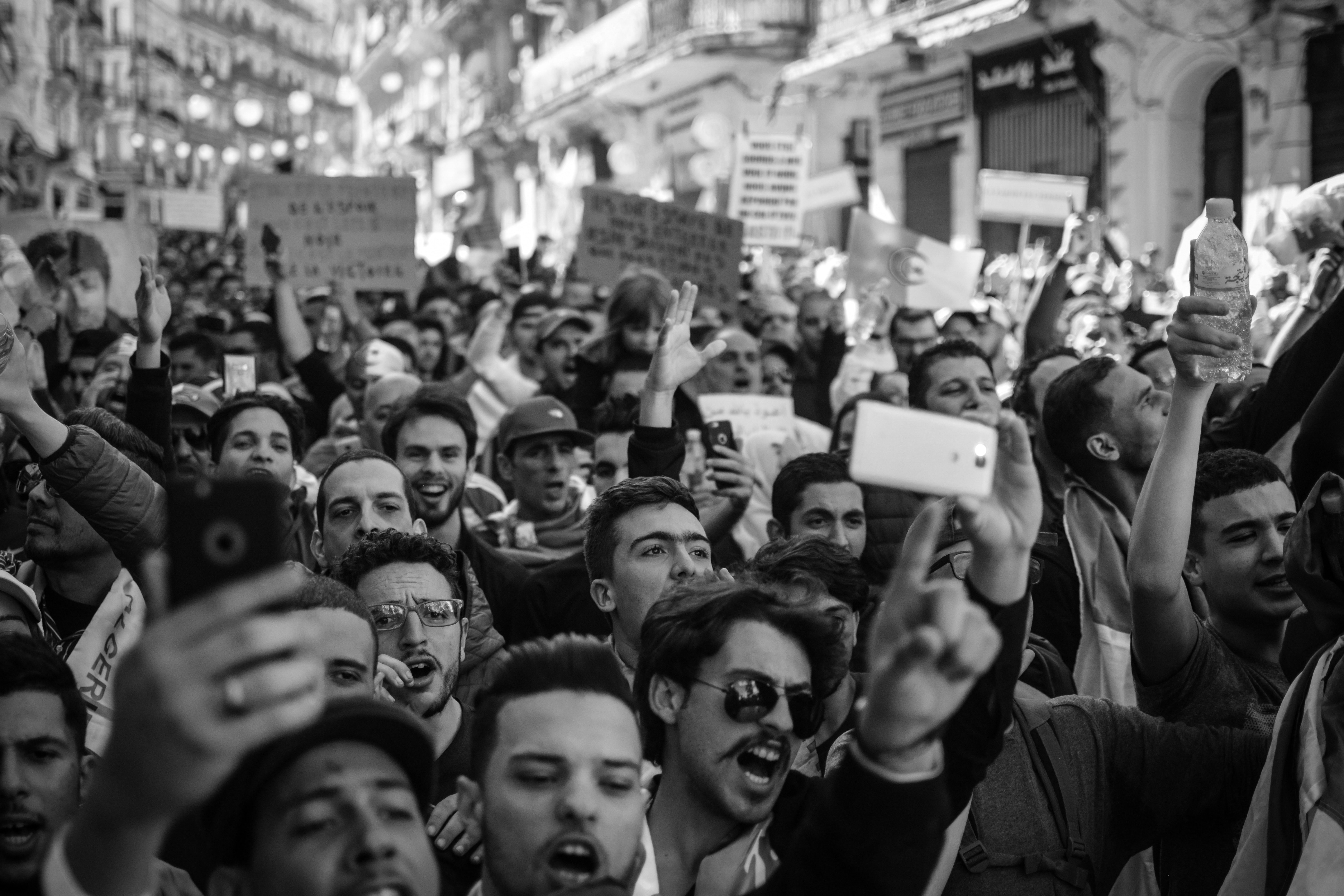
Venezuela’s economy was having a difficult time in 1994-1999 due to high levels of poverty, inequality, and inflation. The economy of the nation was primarily dependent on oil exports, which generated 50% of its GDP and almost 80% of all export revenue. In an effort to solve the nation’s economic problems at the time, the Venezuelan government under President Rafael Caldera launched a number of economic reforms. The economy was liberalized, state-owned businesses were privatized, and government spending was decreased as a result of these reforms.
In order to combat poverty and inequality, Chávez’s administration undertook a number of programs, including raising social expenditures, nationalizing specific businesses, and enacting land reform. The decrease of poverty and social indices improved somewhat as a result of these policies, but they also contributed to the country’s economic instability and high inflation in the years that followed.
Venezuela saw enormous political and economic changes under the Chavez administration, which lasted from 1999 until his death in 2013. Chavez was a socialist and populist politician who aimed to carry out the “Bolivarian Revolution,” which he nicknamed after the independence hero of Latin America, Simon Bolivar. The nationalization of important businesses including oil, telecommunications, and electricity was one of Chavez’s most prominent policies. He claimed that these industries ought to be governed by the government in order to guarantee that whatever profits they produce are used to benefit the Venezuelan people. Many Venezuelans, who had long believed that the nation’s wealth was concentrated in the hands of a select few, supported this action.
Chavez also put into place a number of social initiatives meant to combat inequality and poverty. These included initiatives to offer the poor free healthcare, education, and housing. These “missions,” or social programs, were created to help the most disadvantaged members of Venezuelan society.
Chavez’s policies also created serious economic difficulties. Food and other products were substantially subsidized by his government, which resulted in massive inflation. Additionally, the government imposed severe price controls on a number of items, creating shortages and illegal markets. The decline in oil prices in the late 2000s, which led to a sizable decrease in government revenue, made these economic difficulties worse.
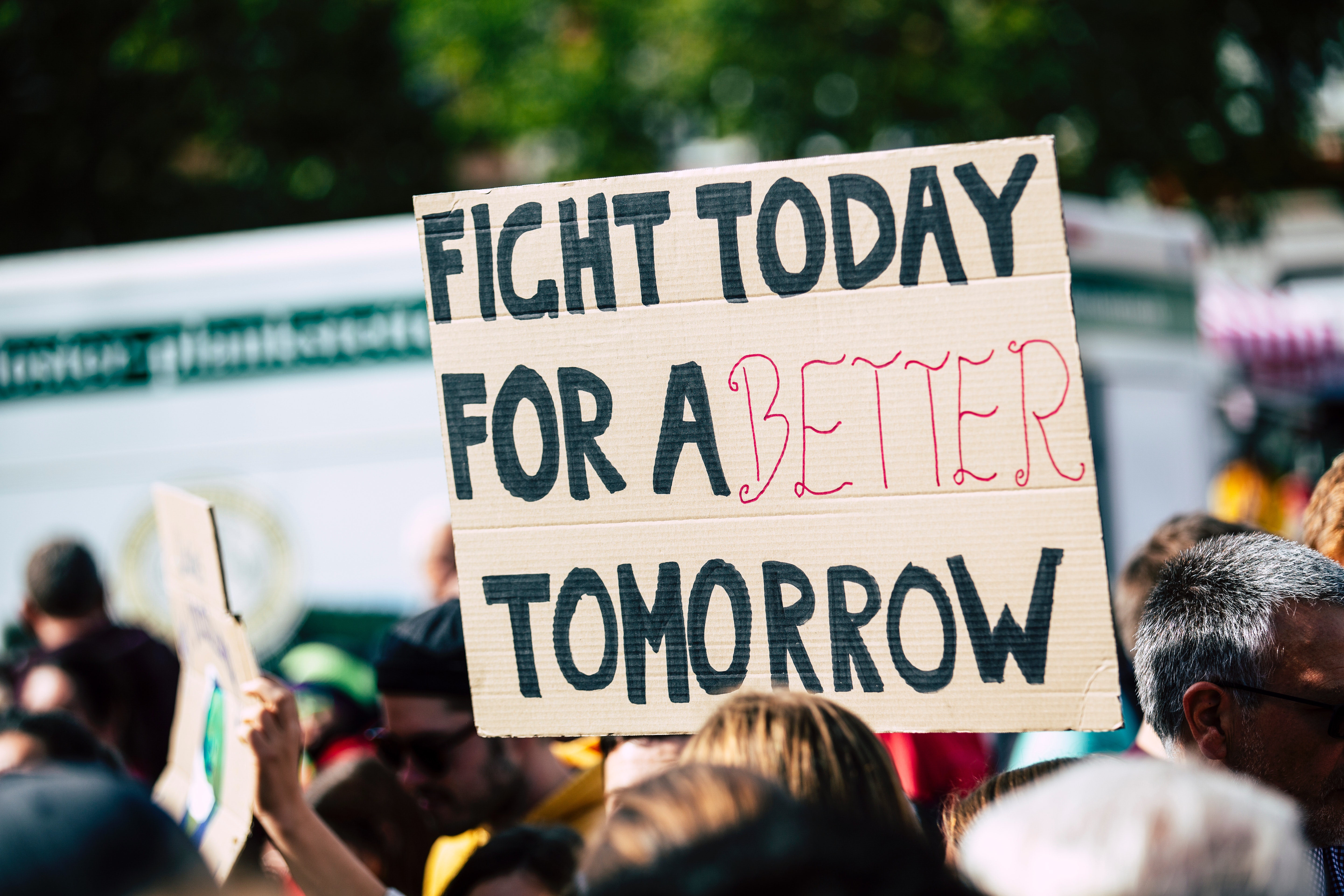 Additionally criticized for its authoritarian inclinations were Chavez’s government’s handling of political rivals and its control of the media. Despite these accusations, Chavez continued to have support from many Venezuelans who considered him as a champion of the underprivileged and a representation of the independence of Latin America. Nicolas Maduro, Chavez’s successor after his death in 2013, carried on many of his ideas, including the nationalization of important companies and the introduction of social programs.
Recent years have seen a severe economic crisis in the nation, marked by hyperinflation, shortages of necessities like food and medication, and pervasive poverty. A decline in oil prices has made the economic situation worse by sharply reducing government revenue.
The Maduro administration has also come under fire for having authoritarian tendencies, which include repressing political opposition and limiting media freedoms. As a result of the harsh international condemnation, many nations have imposed economic sanctions on Venezuela.
Venezuela has seen severe social unrest as a result of the political and economic crises, including public protests and acts of violence. With millions of Venezuelans departing their country in quest of better chances abroad, the crisis has also significantly increased emigration.
The Chavez administration’s influence on Venezuela in the present has been uneven. Despite the fact that many Venezuelans still see Chavez as a symbol of hope and change, the nation and its citizens are now facing formidable obstacles as a result of the economic crisis and political unrest.
 MacroTopic